
Advancements in artificial intelligence (AI) are revolutionizing the landscape of animal healthcare, particularly within veterinary hospitals. From diagnosing illnesses to enhancing treatment plans and monitoring pets, AI technology is reshaping the way veterinarians approach care veterinary hospital.
This article explores the significant impact of AI on animal healthcare, shedding light on its role in improving surgical procedures, preventive care, and ultimately, transforming the future of veterinary medicine.

The Role of AI in Diagnosing Illnesses
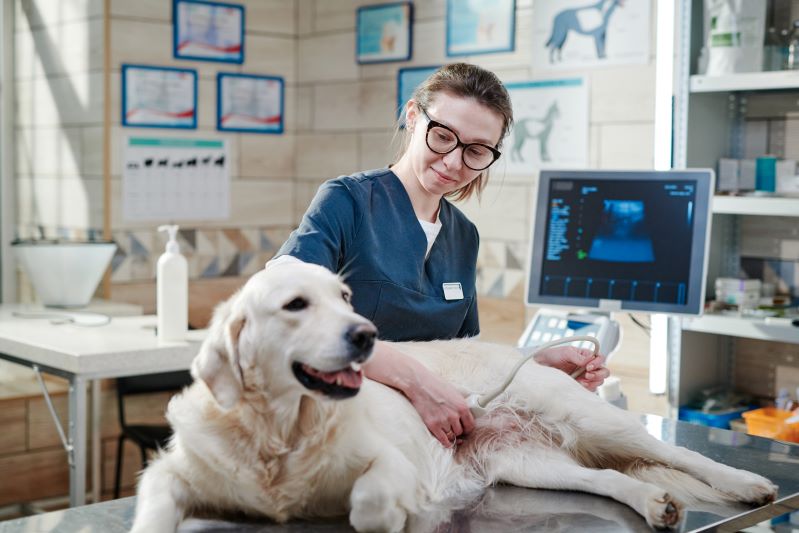
AI technology in veterinary medicine is revolutionizing the process of diagnosing illnesses through advanced data analysis and pattern recognition vet hospital. By leveraging AI algorithms, veterinarians can now analyze large datasets of animal health information swiftly and accurately. This technology allows for the early detection of diseases, enabling prompt intervention and treatment.
Moreover, AI systems can identify subtle patterns and anomalies that may not be apparent to the human eye, enhancing diagnostic precision. With AI’s assistance, veterinary professionals can make more informed decisions, leading to improved outcomes for animal patients.
Embracing AI in diagnosing illnesses not only streamlines the diagnostic process but also ensures that animals receive the care they need promptly and effectively.
Enhancing Treatment Plans With AI
Continuing the integration of advanced data analysis and pattern recognition, veterinarians are increasingly utilizing AI technology to enhance treatment plans for animal patients with varying frequencies of intervention. AI algorithms can analyze vast amounts of data to identify patterns and correlations that may not be immediately apparent to human practitioners.
By incorporating AI into treatment planning, veterinarians can create personalized care plans tailored to each animal’s specific needs. This approach allows for more precise medication dosages, therapy regimens, and monitoring schedules, ultimately leading to improved outcomes and a higher quality of life for animal patients.
Additionally, AI can assist in predicting potential complications or adjusting treatment strategies in real-time, ensuring that animals receive the most effective and timely care possible.
AI-Powered Monitoring for Pets
Utilizing sophisticated AI algorithms routinely, veterinarians are implementing AI-powered monitoring systems to track and assess the health and well-being of pets with precision and efficiency. These systems can continuously monitor vital signs, detect abnormalities, and alert pet owners and veterinarians in real-time.
By harnessing AI technology, pet healthcare providers can access valuable insights into the pet’s health status, enabling early intervention and personalized care. AI-powered monitoring not only enhances preventive care but also improves the management of chronic conditions by providing detailed data for tailored treatment plans.
With this advanced monitoring capability, pet owners can enjoy peace of mind knowing that their beloved companions are receiving proactive and attentive healthcare, ultimately promoting their pets’ overall well-being and quality of life.
Improving Surgical Procedures Through AI
Veterinary hospitals are enhancing surgical procedures by integrating AI technology to improve precision and outcomes. AI can assist in preoperative planning by analyzing images to identify anatomical structures, helping veterinarians anticipate potential challenges.
During surgery, AI can provide real-time guidance, such as highlighting critical structures to avoid errors. By incorporating AI algorithms, surgical robots can perform procedures with unparalleled accuracy, minimizing tissue damage and reducing recovery times.
Additionally, AI-powered tools can analyze postoperative data to track patient progress and predict complications, enabling proactive interventions. This integration of AI into surgical procedures not only enhances the quality of care but also contributes to the overall well-being and longevity of our beloved animal companions.
AI’s Impact on Preventive Care
With the integration of AI, preventive care in veterinary hospitals has seen significant advancements in monitoring and early detection. AI technology allows for the analysis of vast amounts of data to identify patterns and potential health issues in animals.
Through AI-powered tools, veterinarians can now track changes in an animal’s behavior, vital signs, and overall health more accurately and efficiently. This proactive approach enables the early detection of diseases, leading to timely interventions and improved outcomes.
Additionally, AI systems can provide personalized preventive care plans based on individual animal health data, optimizing wellness strategies. By harnessing the power of AI, veterinary hospitals are revolutionizing preventive care, promoting the well-being and longevity of their animal patients.
Conclusion
In conclusion, the integration of AI technology in veterinary hospitals is revolutionizing animal healthcare by:
- Improving diagnostic accuracy
- Enhancing treatment plans
- Enabling real-time monitoring of pets
- Optimizing surgical procedures
- Enhancing preventive care measures
As AI continues to advance, it will play a crucial role in improving outcomes for animals and providing more efficient and effective healthcare services in the veterinary field.


